

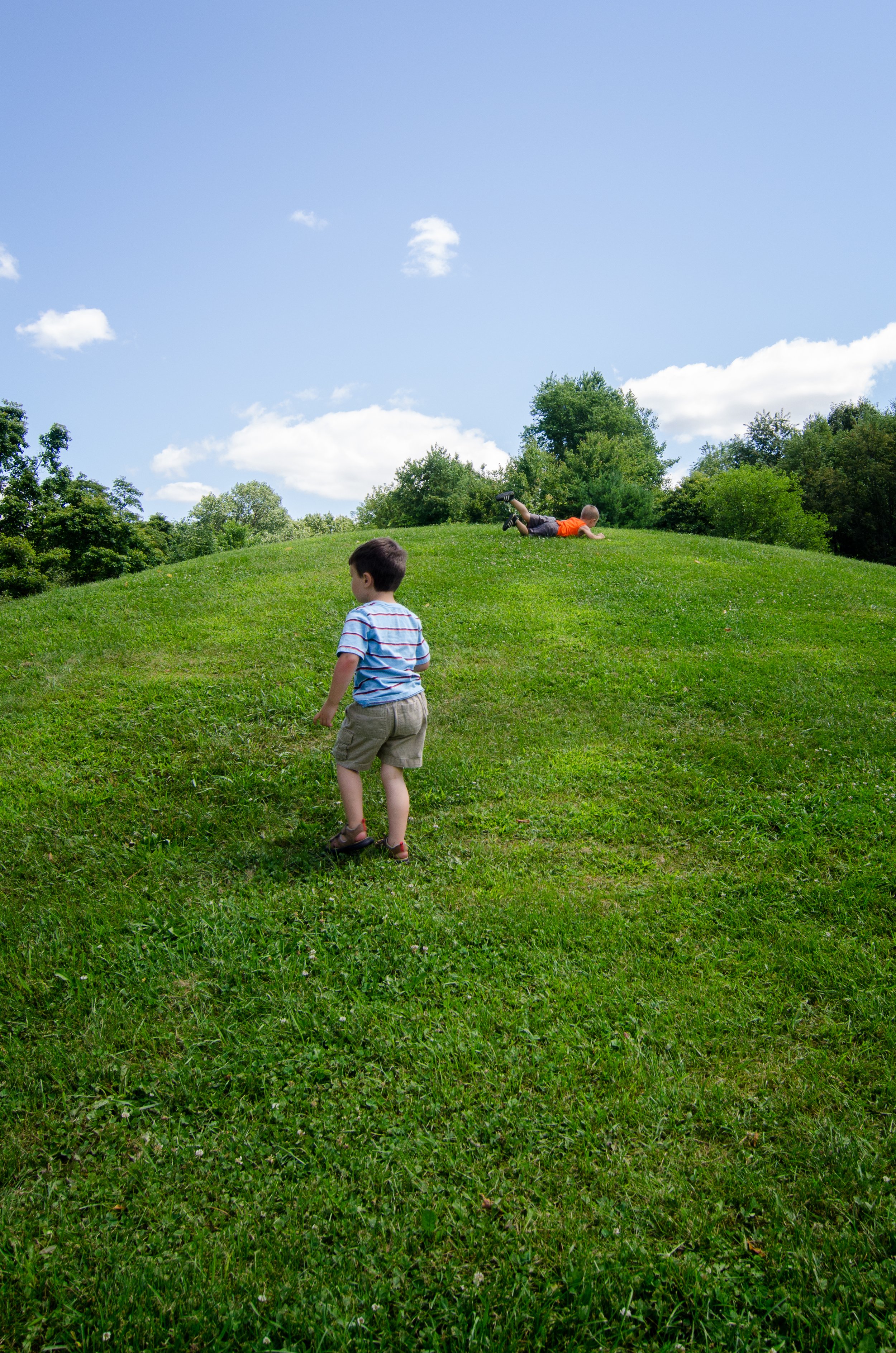
Where do we find inspiration?
I often ask myself this question. It happens to be one of my favorite conversation starters, but the more I think about it, the more I believe it is a question meant to be directed inward—to encourage a deeper understanding of ourselves, our experiences, and the things that fuel our passion.
For landscape architects, that question is especially important. Our work is rooted in people and place, and the way we understand both is constantly evolving. What we notice, what we experience, and what we remain curious about all influence the way we approach a site and shape the places we create.
I think it starts with three basic building blocks:
Who we want to become.
What we have experienced.
And an appreciation for the art of change.
Who We Want to Become
Whether we are thinking about who we want to become professionally or personally, the two are often intertwined. Our ambitions shape what we seek out, what we learn, and the questions we bring to our work. Professionally, that might mean learning about a new material or construction, developing a technical skill, earning a certification, or pursuing an additional degree. On the other hand, ambition and inspiration can also come from places we might not immediately associate with landscape architecture. Fashion can influence how we see color, texture, and material. Architecture can challenge how we think about form and scale. Art can change how we understand composition. A conversation with someone outside of our profession can introduce an entirely new perspective on how people experience a space.
We meet someone who knows something we don't. We encounter an approach we have never considered. We see a problem solved in a way that makes us curious. That curiosity becomes part of what drives our passion for work and sometimes, what we learn from others becomes something we can pass along ourselves.
What We Have Experienced
Our experiences shape the way we see the world and, ultimately, the way we design.
Landscape architecture is experienced at a human scale, every day. We sit, walk, gather, explore, pause, and interact within them. Because of that, our own experiences with the built and natural environment become an important part of understanding its anatomy.
Even on our days off or when we travel, cultural context can reveal unexpected uses of parks, streets, gardens, campuses, or neighborhoods. We have conversations that change our perspective. Sometimes, difficult experiences or moments of vulnerability force us to see something differently.
All of these experiences help us understand what it means to create places for people.
They encourage us to look beyond our immediate surroundings and study how communities in other parts of the world respond to landscape, climate, culture, and history. They help us recognize the difference between designing something that simply follows a trend and designing something that feels genuinely human.
A landscape architect's education does not end with a degree. It continues every time we walk through a new city, visit a garden, experience a public space, travel somewhere unfamiliar, or simply pay closer attention to the places we move through every day.
An Appreciation for the Art of Change
Inspiration also requires a willingness to challenge what we like… and what we don't like.
It takes vulnerability to look at something unfamiliar and say, I don't understand this yet. It also requires recognizing that our personal preferences may not always be the right answer for a project.
There is beauty in difference.
A client's vision may be completely different from our own or address needs from the community we did not anticipate. A site may present limitations that require us to rethink an original idea or creatively reallocate the budget. Although challenging, we can use these limitations to guide our questions and conversation. Being open to another perspective can reveal possibilities we may have otherwise missed.
Looking Beyond Ourselves
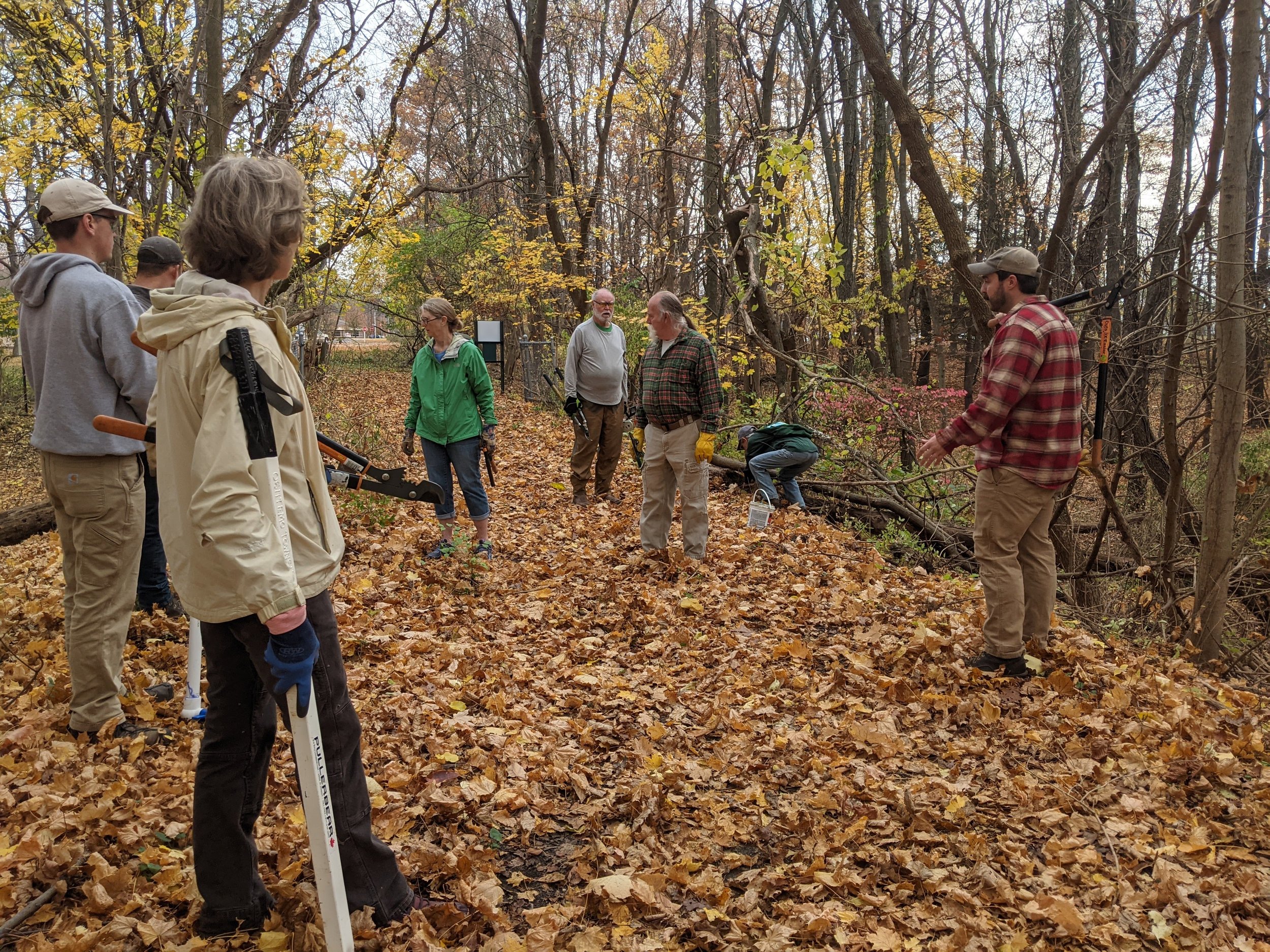
Ideas can come from almost anywhere, and often they are rooted in the way we choose to observe the world.
There are buildings inspired by the wingspan of a manta ray. Landscapes that mimic the layered geometry of an orange. Designs that carefully organize the hierarchy of vehicles and pedestrians while responding to the historic roots of a place.
These ideas remind us that design does not exist in a vacuum. It is influenced by nature, culture, art, technology, history, and the people who experience it.
As landscape architects, we have the opportunity to bring those influences together and translate them into places that are meaningful, functional, and connected to their surroundings.
That is what makes landscape architecture such a deeply personal and evolving profession. We bring our education, experiences, curiosity, and perspective to every project, while the people and places we encounter continue to shape how we see the work.
We are constantly asking:
How can we understand?
How can we communicate?
How can we cultivate places that people connect with?
Those questions are part of what drives our passion for this work.
And when that curiosity begins to wane, perhaps the answer is not always to search for the next big idea. Maybe it is simply to reconnect—with people, with places, with experiences, and with the things that made us curious in the first place.
…because the work we do is ultimately about connection. We look to the world around us, learn from what we encounter, and bring those experiences back to the places we are trusted to shape.
That is where the passion comes from—and what keeps us looking closer, asking better questions, and finding new reasons to love what we do.