The Questions That Shape Our Designs.
The key questions we ask ourselves as designers are often the ones that lead to the most successful design and implementation. They help us get to the bottom of what a community truly wants, understand the story that led to a project, and create a foundation for decisions that can support a place long after the people who designed it are gone.
At OCBA, we believe landscape architecture is more than creating beautiful spaces. It is about understanding the people within the context and filtering priorities to meet the needs of each community and environment.
Before we begin drawing, here are a few questions we ask ourselves to help lead the way:
How does this impact the way people live, work, and play?
Every project has a community at its center. Whether we are designing a neighborhood park, campus, streetscape, or residential landscape, we want to understand who will use the space, how they will experience it, and what opportunities it can create.
Successful spaces give people reasons to gather, interact, pause, explore, and connect with one another of all abilities. Sometimes that connection is through prescribed activities, like on a playground where parents and children come to enjoy imagination and movement. Sometimes it is more passive through site furnishing selection and layout, adaptive open space, or the microclimate created by trees.
That begs the question, who is being invited or excluded from a space? We are always considering different ages, abilities, backgrounds, and ways of experiencing a place. Inclusive design means creating spaces that people can access, understand, and feel comfortable using, while at the same time understanding the need to deter undesirable activities.
We want our designs to have character and make an impact, but they also need to work for the client at installation and over time. A successful design balances creativity with the realities of budget, long-term maintenance, accessibility, construction, and everyday use. The most memorable spaces are often the ones where big ideas and practical solutions merge and become what you use today, many years after they’ve been built.
What issues are we responding to?
Every project begins with a need for a solution, and many times this is boiled into distinct project goals that serve as a measuring stick for decisions. These project needs may be clear-cut and practical (we need a restroom building), or they may be more ambiguous (we need to encourage community involvement in downtown). Understanding the underlying issue(s) helps us design for more than what is visible on the surface. Often, the initial issue is brought by the client, such as “the community needs a more accessible walking trail here,” but micro-solutions are identified and addressed throughout the design process, such as necessary signage for the walking trail or stormwater management.
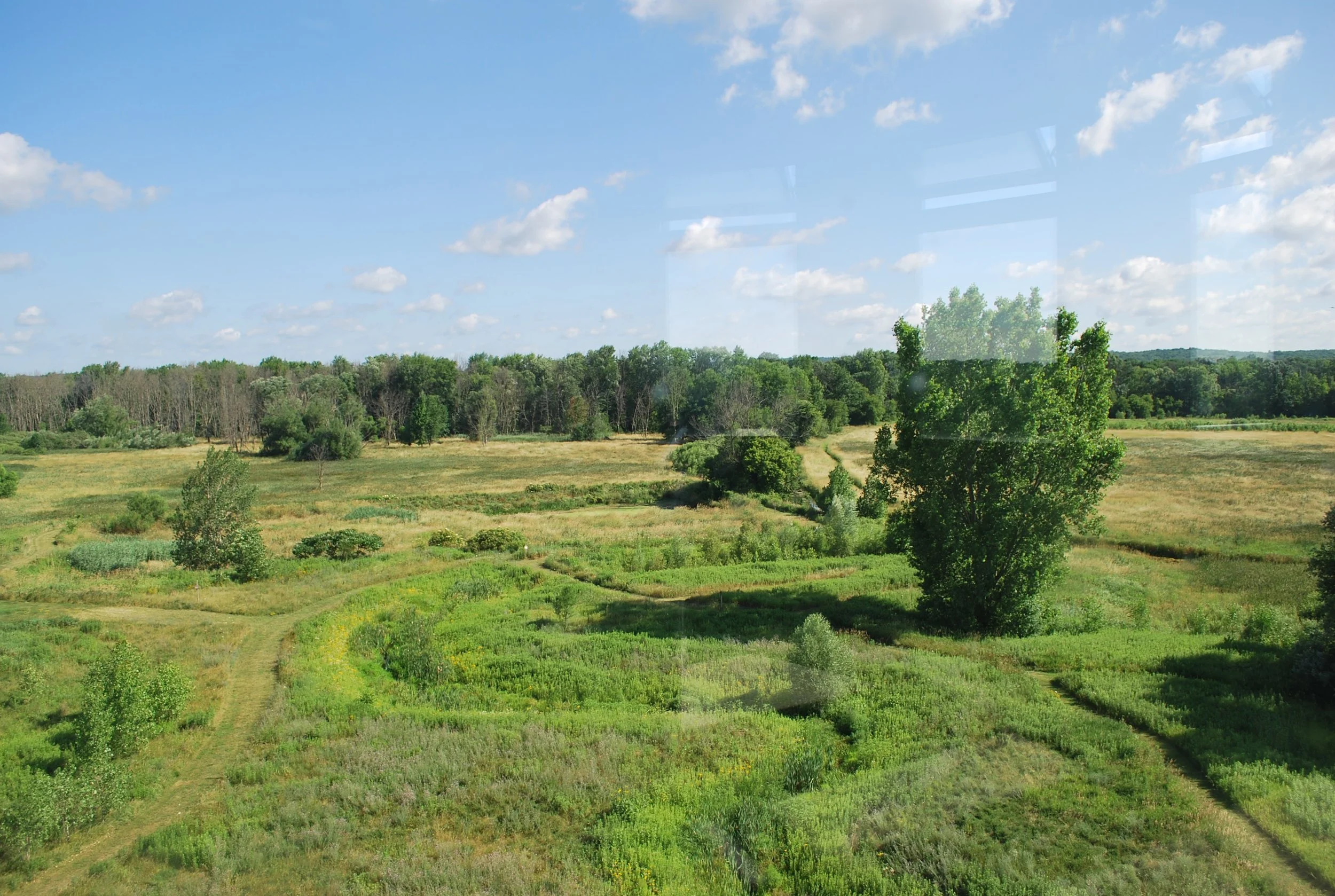
How does this impact and support the surrounding ecological landscape?
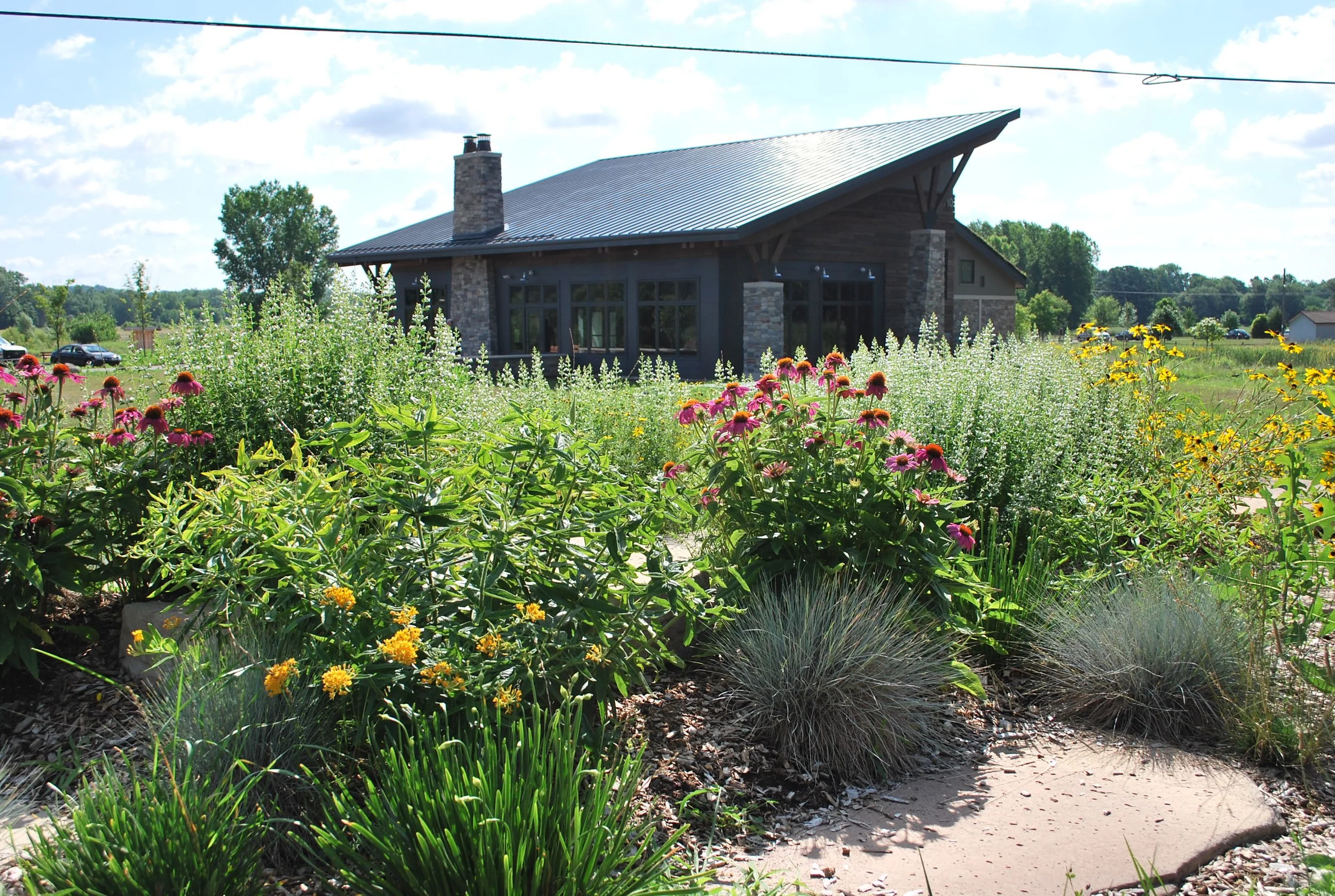
No project exists in isolation. Every site is connected to a larger ecological system, and every design decision must weave into the existing social and physical fabric that makes up both the property and its boundary. A project may have a specific client or user group, but its impact can extend much further. In most cases it is our job to also look at the larger community and context to ensure the solution fits within the greater context.
Sometimes the best design solution is not simply adding something new, but finding a way to protect, restore, or reveal what is already there.
How does this solution perform over time?
A landscape does not end when construction is complete. Plants grow, materials age, budgets change, and communities evolve. We consider maintenance, budget, safety, durability, accessibility, drainage, and weather events as elements within the design process so that it can continue to both perform and look its best over time. This information starts with a site’s history and case studies elsewhere. We look at landscapes that have seen generations and either flourished or failed, natural systems that have supported or disintegrated, cultural history that has been hidden or celebrated, neighboring developments that have impacted use, and other assessments. This helps us support our clients to realistically invest and allows us to prioritize, phase, and make intentional decisions rather than creating a vision that sits on the shelf.
These questions do not necessarily have simple answers—and they are not always answered quickly. They evolve as we host community input, study site use over time, develop conceptual plans, and work through implementation.
But asking them helps reinforce that we are not here to demand the obedience of nature, rather to uncover the story and help guide it into a future that promotes growth and connection.