

The importance of licensure.

What we do.
“Landscape architecture encompasses analysis, planning, design, management, and stewardship of the natural built environment through science and design” (CLARB “Importance of Landscape Architecture Licensure”).
Landscape architects play a pivotal role in the design industry by shaping the underlying fabric of the land onto which other disciplines build upon. Firms may specialize in different markets and project scales, and individual landscape architects may have expertise in a specific area, but in all cases, landscape architects provide crucial planning and design for communities, businesses, and residences, and provide the framework that supports and integrates other disciplines.
As a STEM profession, landscape architecture incorporates science, technology, engineering, and mathematics into design solutions and research that will impact future generations.

Why licensure is important.
As a licensed profession, landscape architecture is responsible for protecting public health, safety, and welfare. Poor design can lead to loss of natural resources and a negative impact on public health, failed structures and surfaces, conflicts between vehicles and pedestrians, and countless other scenarios that pose danger to public safety and welfare. Design decisions at many project scales and scopes are made based on knowledge and training in science, engineering, and aesthetics to set up a place for success. Unqualified work can lead to failed infrastructure, economically or environmentally irreparable damage, and even hazardous situations.
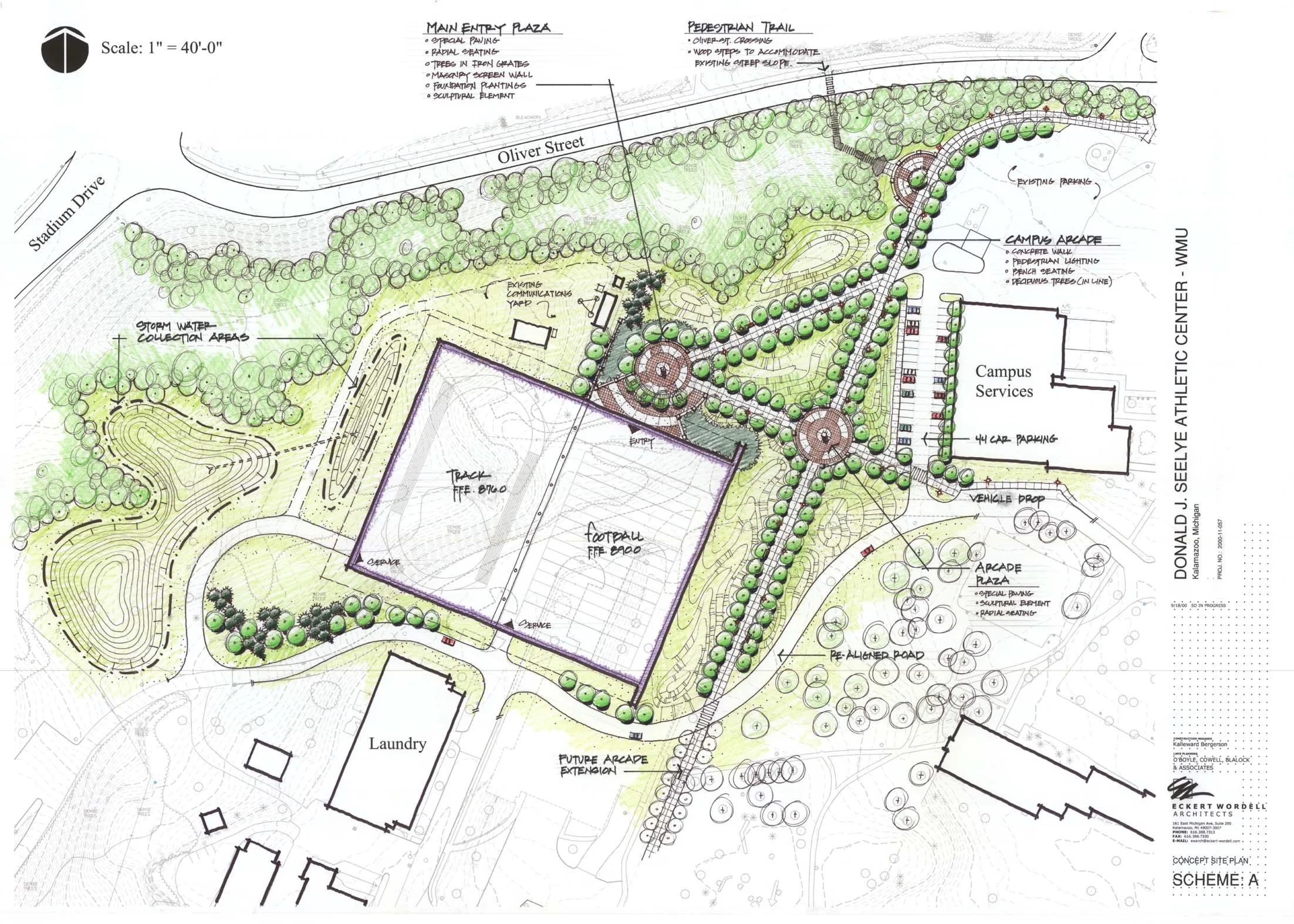
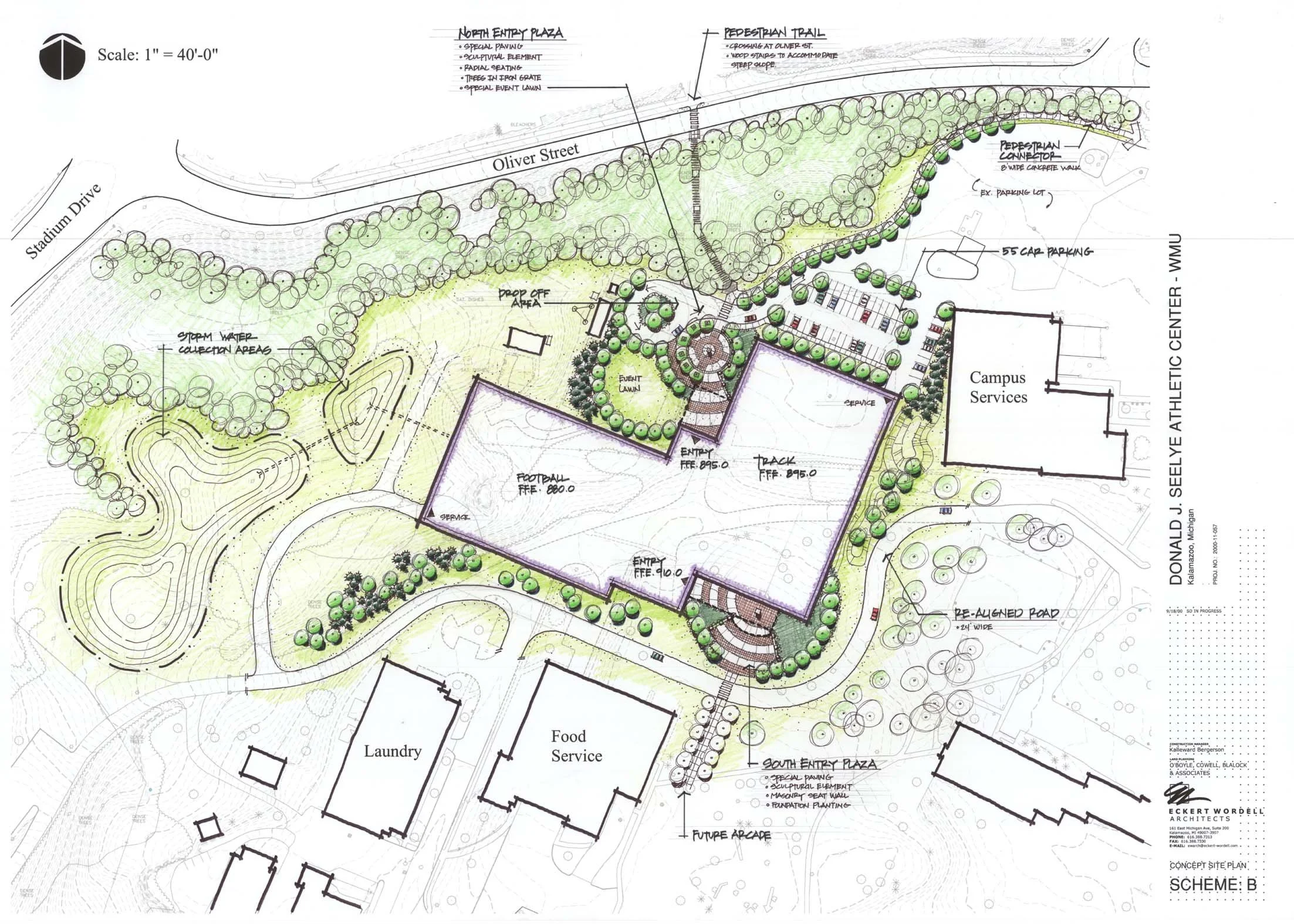
To remain an accountable profession, all 50 states require a licensed landscape architect to sign and seal certain documents, certifying that the design has been prepared by a qualified person who has received the required amount of training and experience. State legislature defines what documents are required to be sealed by a professional landscape architect (PLA), but statutes are similar state-to-state. Some municipalities require a licensed landscape architect to seal landscape plans for their local zoning ordinance, emphasizing the importance of a trained professional to select and locate plant species, while others don’t. A landscape architect may also be the prime professional for Michigan DNR grant-funded projects, lead a team with other design disciplines such as architects and engineers, and may design other non-habitable outdoor spaces and hardscapes, including but not limited to parking lots, trails, or urban plazas.
How to get licensed.
Each state sets their own requirements to achieve licensure, but they all require education, experience, and a national licensure exam series. Michigan requires licensure applicants to provide proof of one of these three tracks:
1. Bachelor of Landscape Architecture + three years experience under a licensed landscape architect + passing all four licensure exams.
2. Master of Landscape Architecture + two years experience under a licensed landscape architect + passing all four licensures exams.
3. Total of seven years of training and experience (with requirements) + passing all four LARE exams.
If you are a student looking for a university, select a school that is LAAB-accredited to ensure it meets this qualifying education requirement. A Bachelor of Arts (BA) or a Bachelor of Science (BS) in Landscape Architecture is not qualifying education, so a Master of Landscape Architecture would be required prior to applying for licensure. A few LAAB-accredited programs in the Midwest:
Michigan State University: Bachelor of Landscape Architecture
University of Michigan: Master of Landscape Architecture.
Ball State University: Bachelor of Landscape Architecture, Master of Landscape Architecture
University of Illinois at Urbana-Champaign: Bachelor of Landscape Architecture, Master of Landscape Architecture
A full list of accredited programs can be found here on National ASLA’s website: Find Landscape Architecture Programs & Student Chapters
The Landscape Architecture Registration Exams (LARE) are an intensive exam series that test 1) inventory, analysis, project management, 2) planning and design, 3) construction documentation and administration, and 4) grading, drainage, and stormwater management. These exams measure proficiency in key areas of the profession.
Following initial licensure, licensees are required to complete twenty-four hours of continuing education credits prior to each 2-year renewal, with 16 of these hours pertaining to public health, safety, and welfare.
Why Hire a Licensed Landscape Architect?
Hiring a licensed landscape architect ensures that your project is led by someone qualified to complete the work and ensure a high-quality finished product. Professional Landscape Architects understand permitting, local zoning laws, environmental regulations, and safety codes and can help you navigate the complexities within a project. In the end, a licensed landscape architect brings the expertise needed to turn complex requirements into a beautiful, functional, high-quality space.