

Inspiring young designers.

From a young age to our current seasoned staff…
Environments play a significant role in how people grow, learn, and develop skills. We as designers are constantly thinking about how people will move through, experience, and benefit from spaces in countless ways, and the littlest of our communities are frequent users of many of these spaces. Places with the most versatility allow people to simply be human; they encourage connection, restoration, exploration, and open a deeper relationship with the natural world. Beyond that, these spaces have the power to inspire the next generation of community caretakers.
At its core, design is about communication and belonging. Empathy is one of the most valuable skills a designer can possess. It takes time, vulnerability, and genuine connection to understand how people feel safe, welcomed, protected, and seen.
The understanding of empathy often begins at a young age. Children naturally become curious about the spaces around them — where they feel connected, where they feel free to play, where they feel calm. As adults, we have an opportunity to nurture that curiosity and help it grow through a balance of guidance and freedom. We can give young people room as they grow, opportunities to learn, and environments that encourage confidence, creativity, and wonder.
Sometimes the duo of inspiration and exploration at its core looks like movement and play. Other times, it is stillness. It is a quiet place to rest, reset, and provide the nervous system with an opportunity to feel grounded and at peace.
Designers often overlap with other roles, such as parents, mentors, healers, communicators, artists. We can show younger generations how spaces are imagined, created, and cared for. We can show them how important it is to take care of themselves and others by stewarding and enjoying the spaces around them.
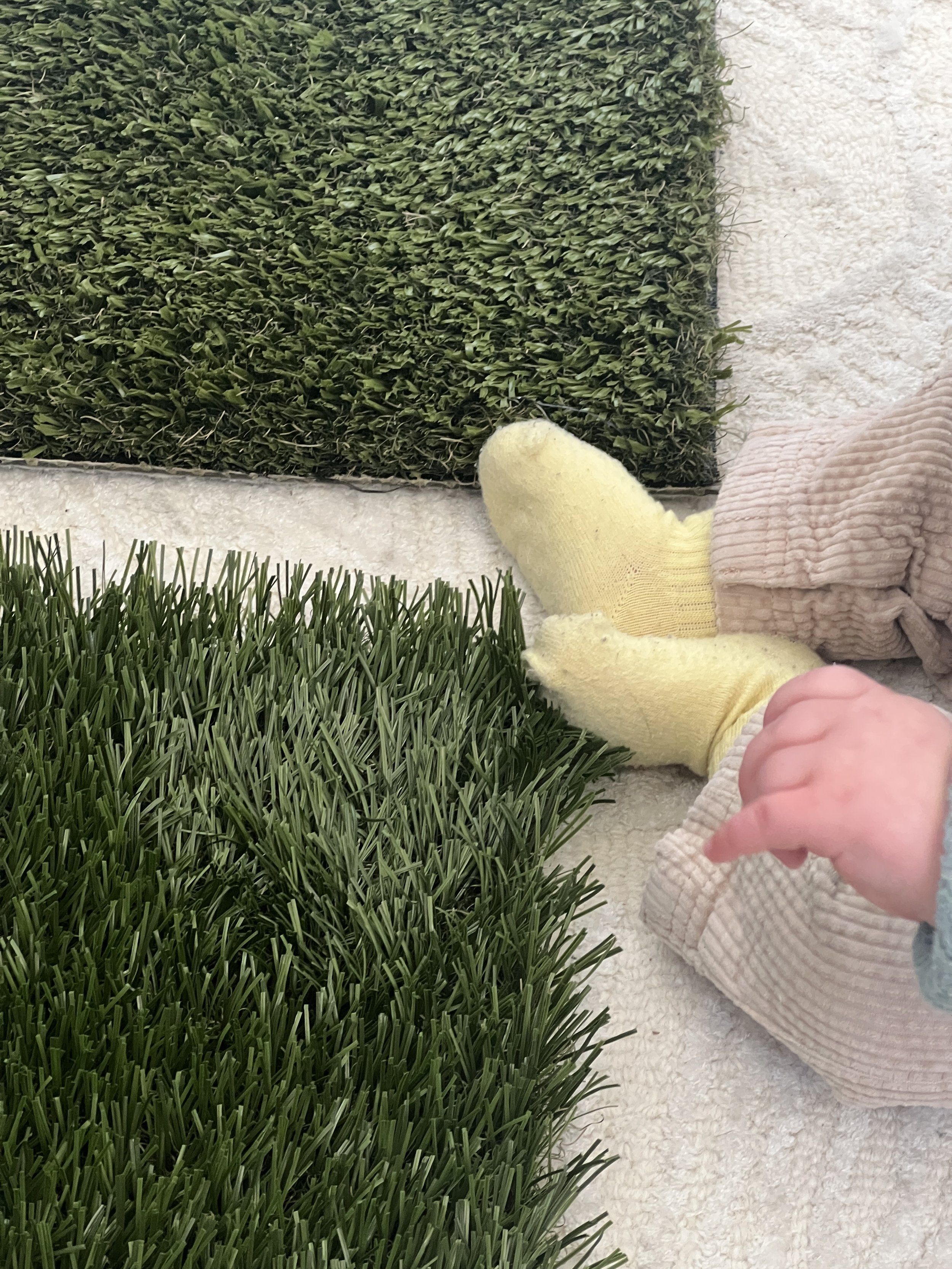
The learning process begins with access to inspiration itself. Through our education, we learn how to seek reliable information, study precedents, and find meaningful sources of creativity. But at its more informal, basic level, that journey can start with spending time outside in nature, and inside in a good library. At any age, books can spark empathy, curiosity, communication, imagination, and a sense of stewardship for the world around us.
Young people are often introduced to design through play — and after all, play is rooted in curiosity, challenge, and discovery.
If you haven’t thought about it before, our work is not simply about designing landscapes. It is about setting the stage for communities through every stage of life, every ability, and every need. We are not just designers of the land; we are listeners, teachers, nurturers, and advocates for the future.
Here are a few book recommendations to help inspire curiosity, creativity, stewardship, and a love for the outdoors in the next generation of designers and community caretakers:
Recommended Reads for Young Designers & Nature Lovers
The Giving Tree by Shel Silverstein
Ages 4–8
A timeless story about generosity, relationships, and our connection to nature.The Curious Garden by Peter Brown
Ages 4–8
A reminder of how one small act of care can transform an entire community.Planting a Rainbow by Lois Ehlert
Ages 3–7
Introduces children to flowers, color, and the joy of gardens.The Tree Lady by H. Joseph Hopkins and Jill McElmurry
Ages 5–9
The inspiring story of Kate Sessions and her impact on the city of San Diego through trees.Over and Under the Pond by Kate Messner
Ages 4–8
Encourages observation and appreciation of ecosystems and natural landscapes.A Seed Is Sleepy by Dianna Hutts Aston
Ages 4–8
A beautifully illustrated introduction to seeds, plants, and growth.Iggy Peck, Architect by Andrea Beaty
Ages 6–10
Celebrates creativity, problem-solving, and imaginative building.Rosie Revere, Engineer by Andrea Beaty
Ages 6–10
Encourages persistence, experimentation, and fearless creativity.The Lorax by Dr. Seuss
Ages 5–9
A classic story about environmental stewardship and advocacy.Over and Under the Snow by Kate Messner
Ages 4–8
Explores the hidden layers of nature and how animals adapt to landscapes.Girls Who Design & Build by Caroline W. Wells
Ages 10–14
Highlights women in architecture, engineering, and design, inspiring young girls to shape the built environment.Sam the Landscape Architect by Shannon Gap
Ages 6-11
Why it inspires: Shows kids how they can use ideas and imagination to solve problems in their cities and environments with critical thinking and spatial analysis.